Soluta nobis eleifend option congue nihil doming
Passchendaele Museum
Berten Pilstraat 5a, 8980 Zonnebeke, Belgium
visited October 2026
I visited this museum along with my son and four friends on the return home trip from the SMC show, and what a worthwhile stop-off this was.
The museum building is set in a well-maintained park that is probably a delight to wander around in summer, however, we were there in the latter portion of October and were expecting a rather cooler reception weather-wise.
But that’s OK, because it’s a short walk from the parking area to the museum, and once inside what appears to be a decent sized building, you begin to realise that there’s a bit of a Tardis effect happening.
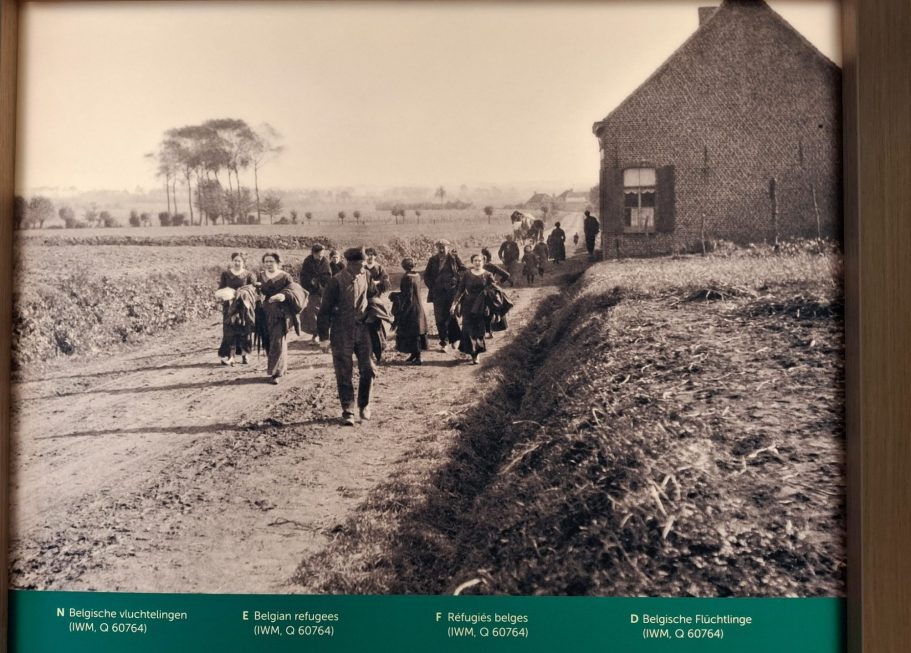
Like a lot of the World War One museums, the focus is firmly on the local area, and the tour begins with a look at life for the population leading up to the beginning of the war.
Different nationalities are catered for by hiring a portable recorded description of the displays through a set of headphones, with each of the displays having a number that corresponds to the narrative being listened to.
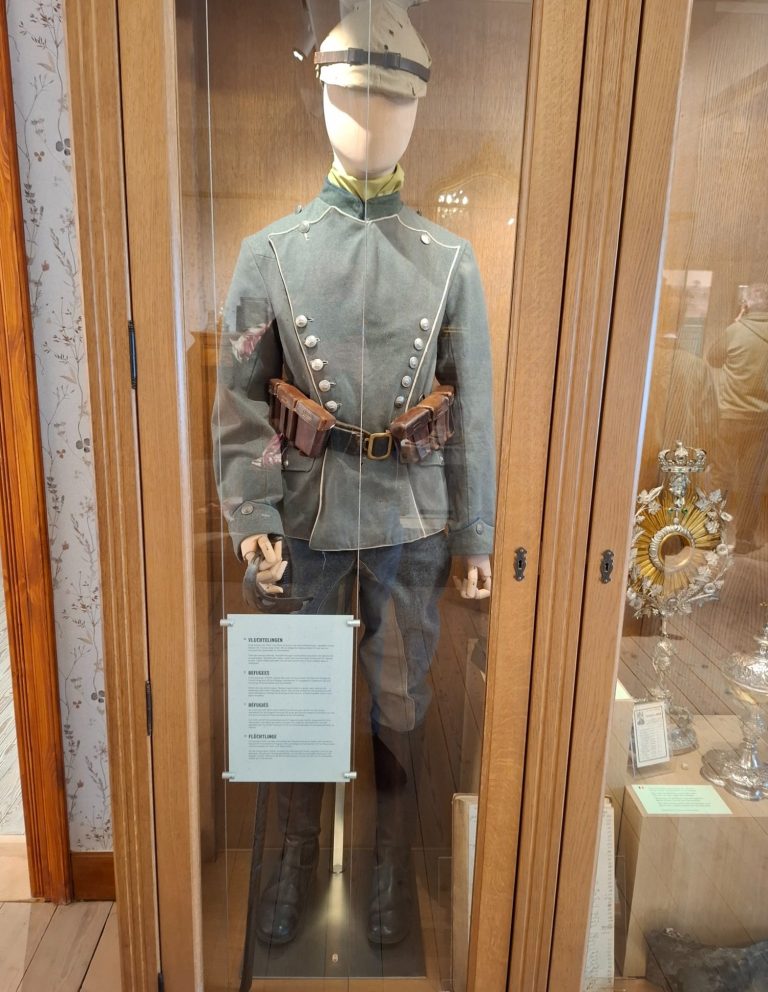
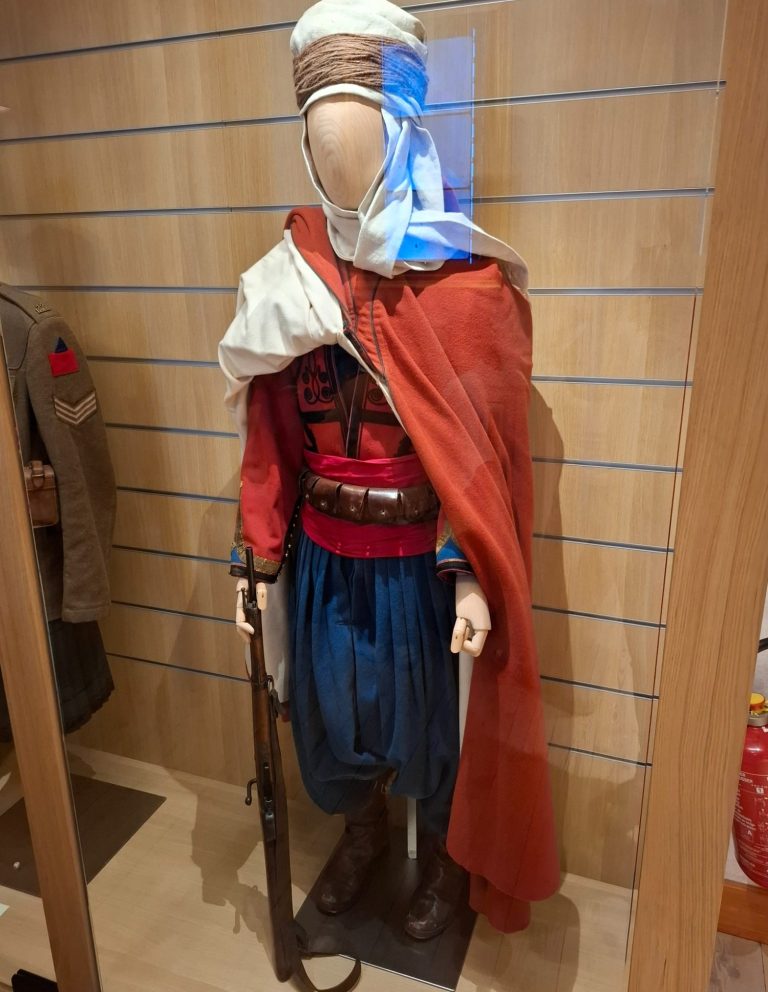
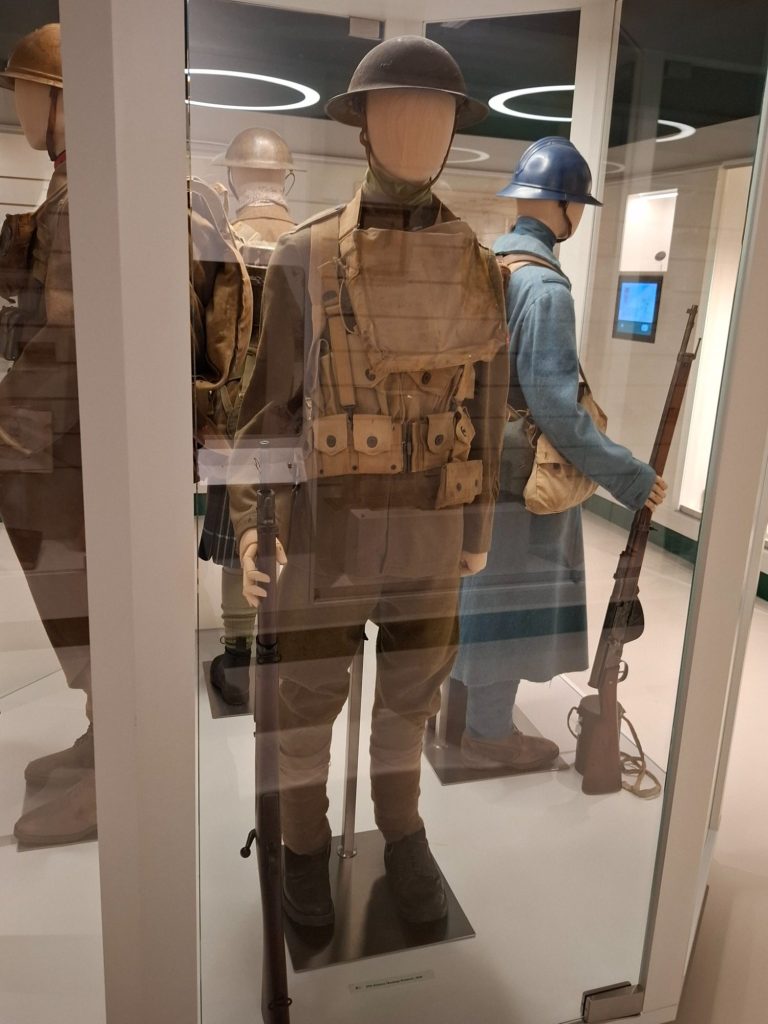
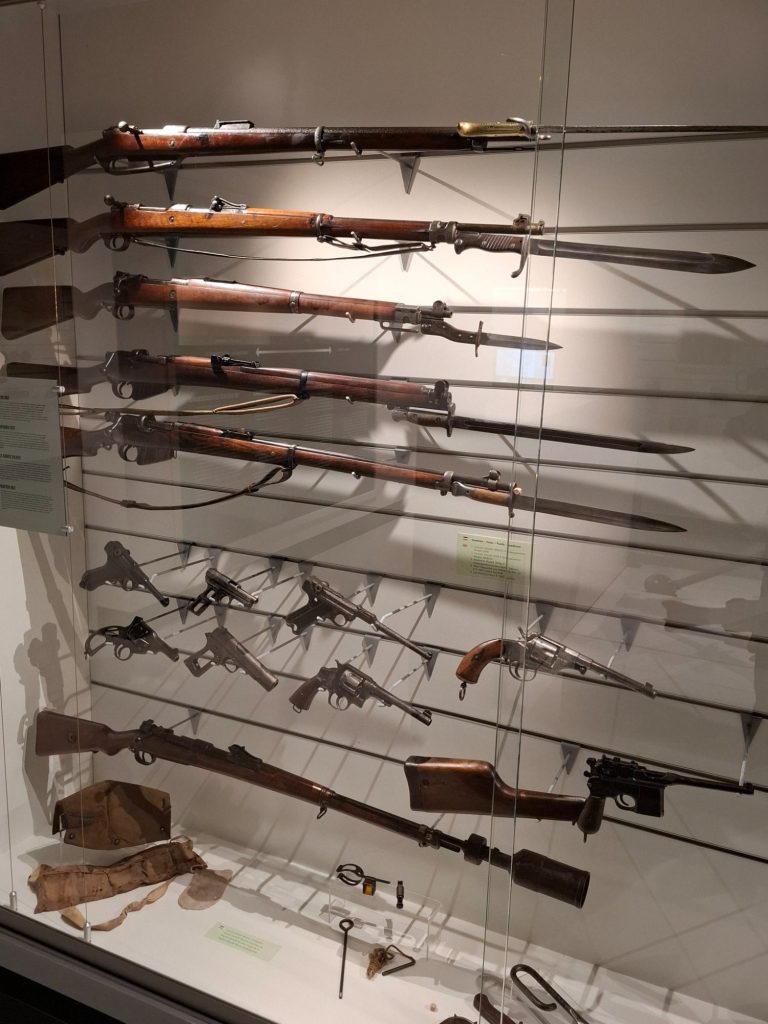
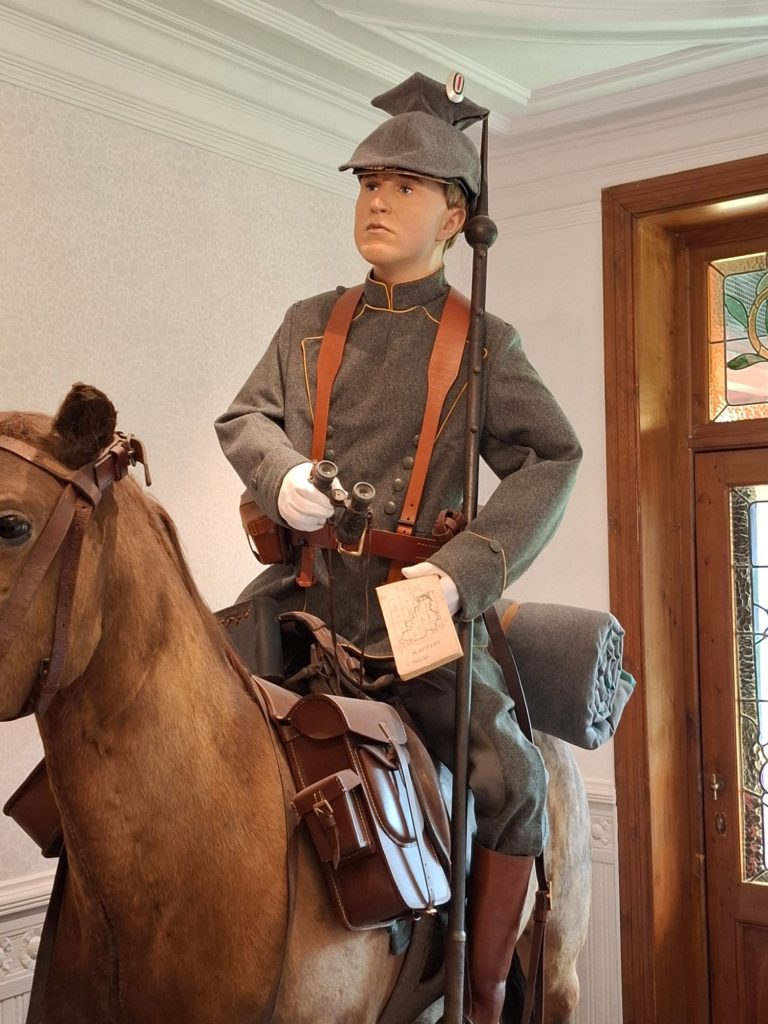
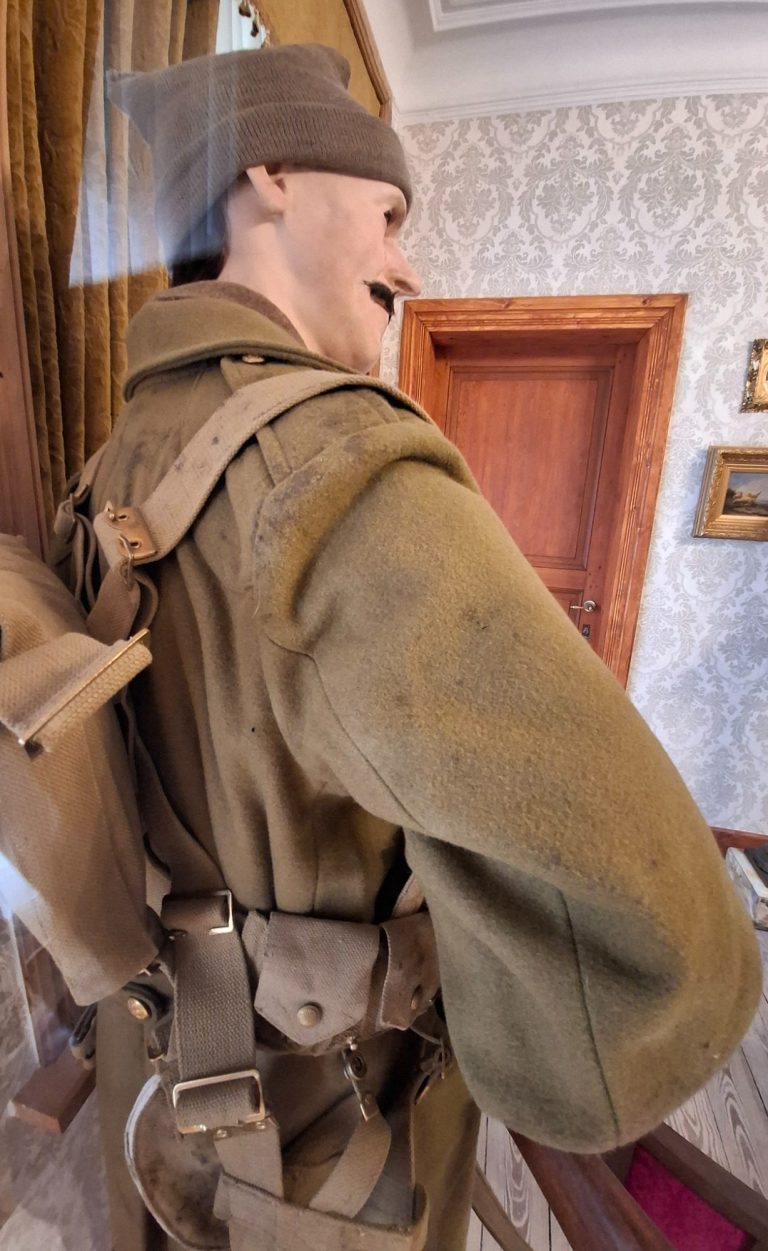
Beginning the tour photographs of civilians in town and home settings give life to how much would change over mere months with the outbreak of hostilities, and the displays swiftly move on to uniforms of the military forces involved, weapons that they used and pictures of the declining conditions that they fought in.
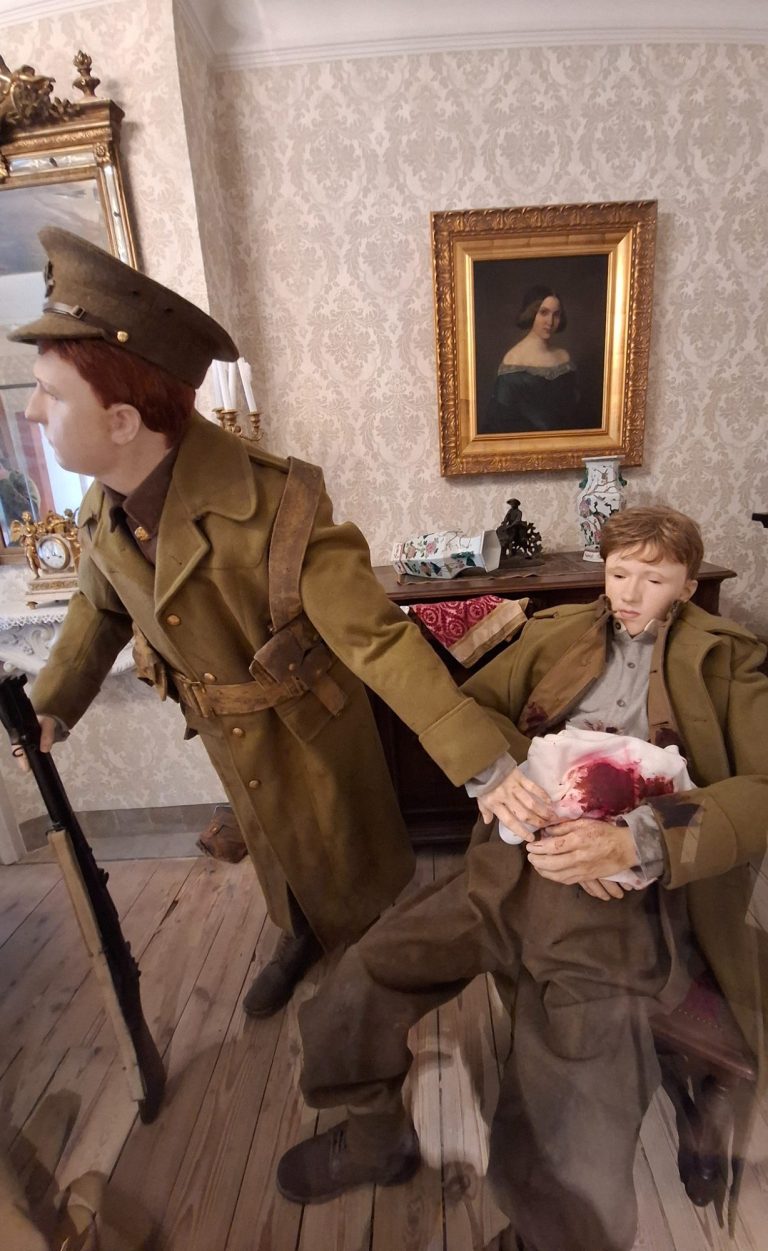
A life-sized mock up of one of the rooms in the British held Gheluvelt Chateau shows the relatively civilised conditions some of the soldiers had in those early weeks of the battles, and there’s lots of period photos on display to show the men who fought on both sides during that period.
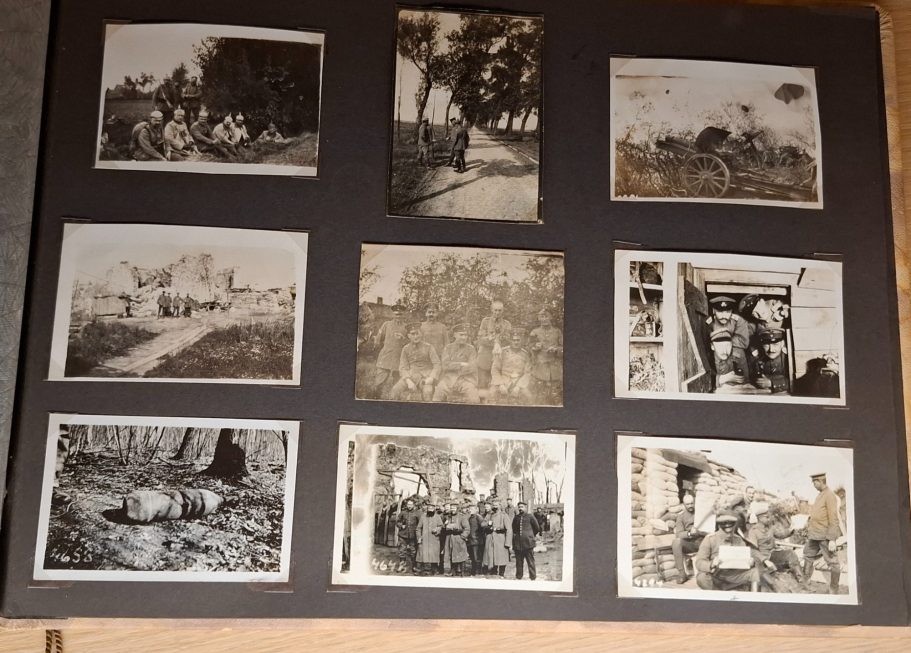
Working your way past these pictures, the devastation of the land and its buildings soon becomes evident, the local people dispossessed of their homes and livelihoods, their loss appears harrowing and unimaginable to us in this day and age.
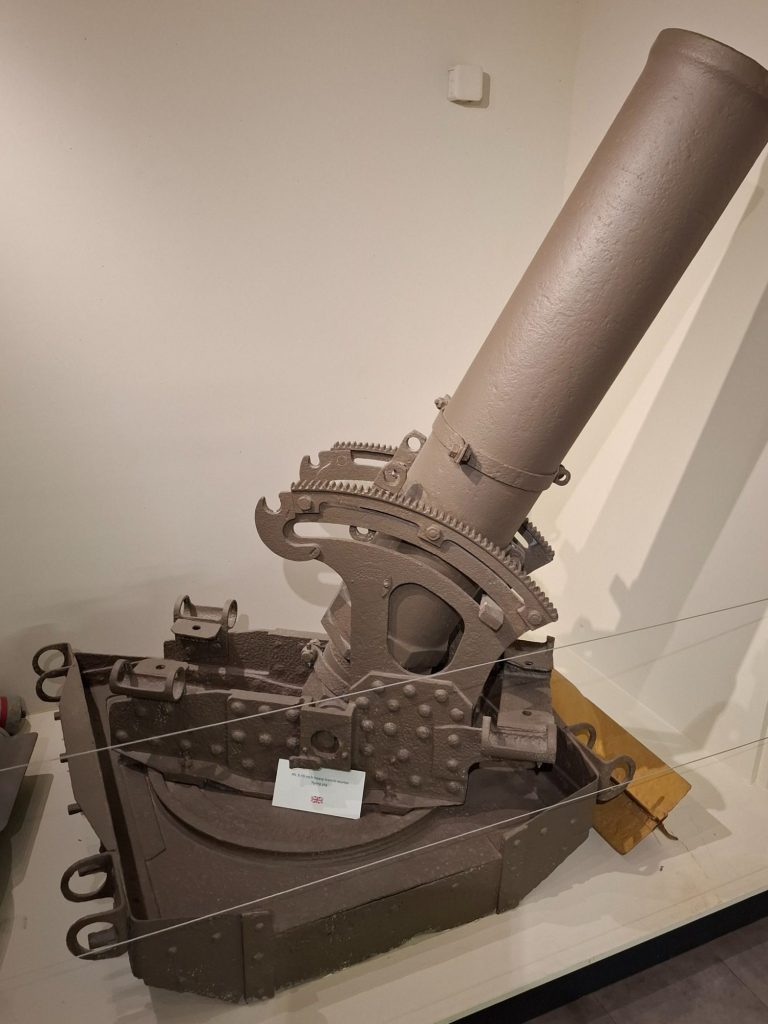
The appearance of trenches, dug-outs and machinegun nests begin; heavy artillery and cannon make their presence known, tearing up the fields and forests, and killing thousands in the process.
Time moves on, and whilst the initial displays showed life in 1913 or early 1914 before the war began, the visitor gradually travels through time, through how the war escalated, how newer, more advanced ways of killing the enemy developed and how the undulating landscape became unrecognisable so quickly.
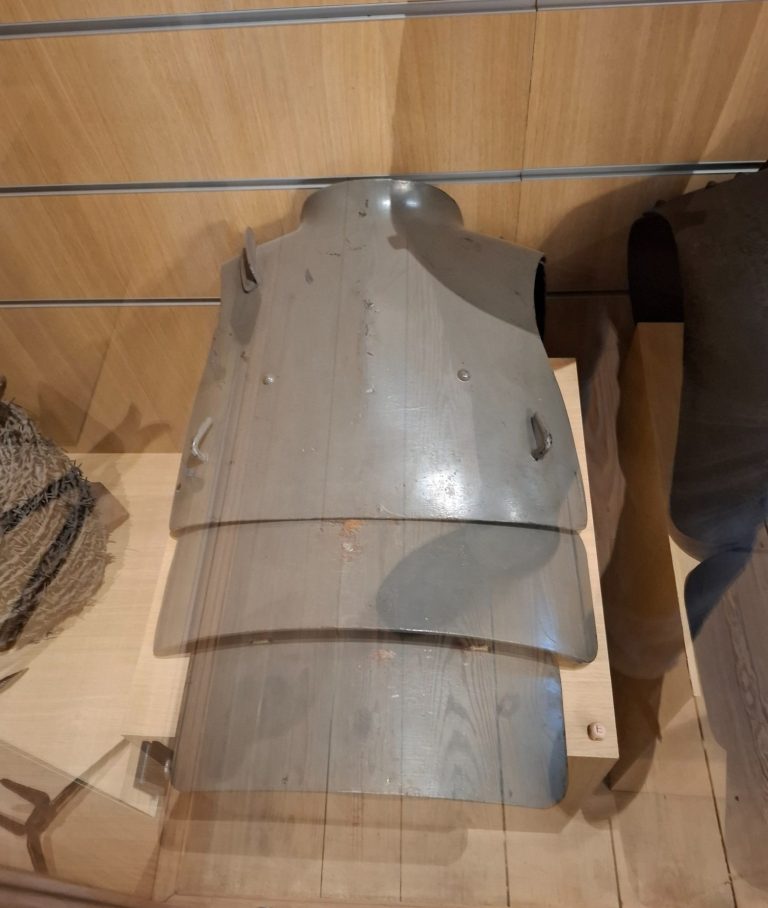
The displays move through 1915 and 1916, with at one point a German helmet and body armour to try on – Um I’m a little large to be honest, but gamely tried to squeeze into the armour.
You’ll be pleased to know that whilst a photograph was taken, it’s not getting shown here – you’d laugh too much !
At this point we’d noticed a school group were also visiting the museum, a great thing I think to show and educate the next generations of what their Great Grandparents, ( possibly their Great, Great Grandparents ) endured.
One or two of the students entered the room with the armour, and although there was a bit of a language barrier, we encouraged them to have a go – the breastplate, whilst heavy certainly fitted their frame better than mine.
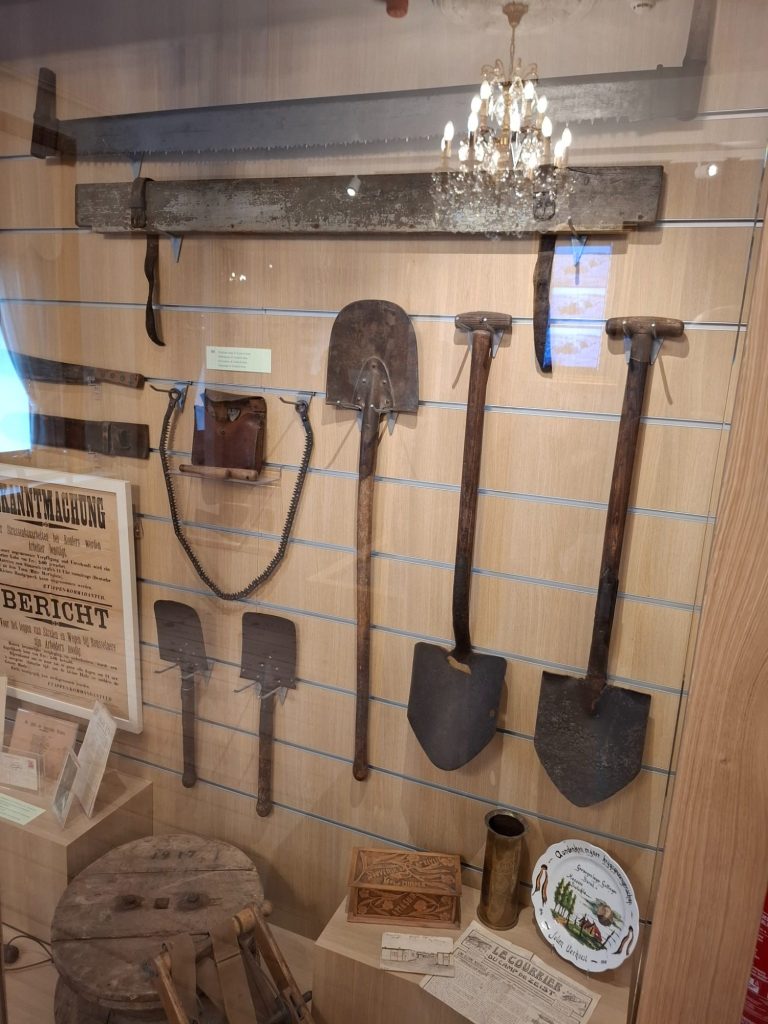
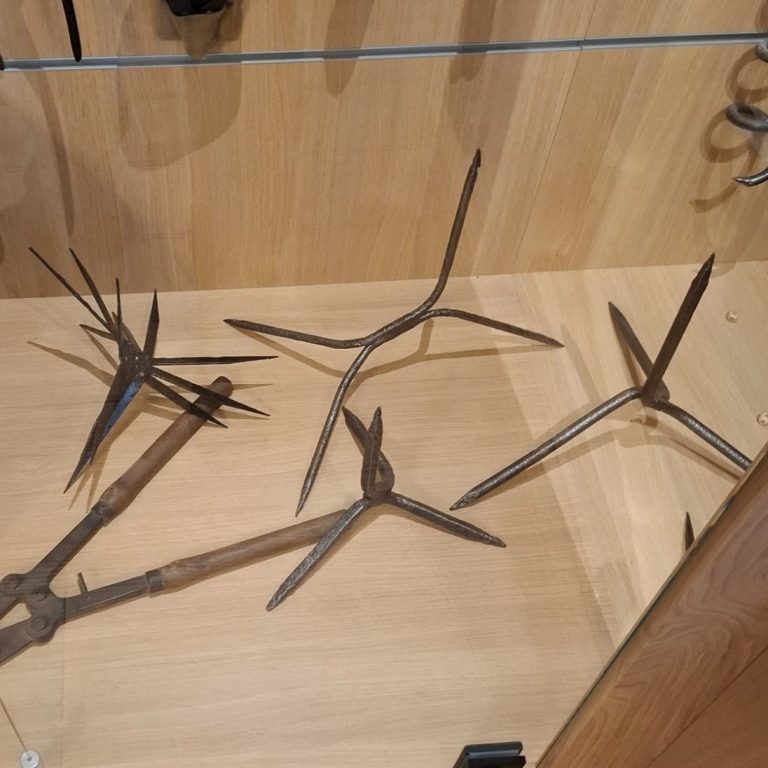
It’s visits like this that you realise just how inventive humans are when it comes to injuring, maiming, disabling or killing each other. It’s not even a case of developing new technology with which to do it either, Humans will gratefully fall back on tried and tested methods – Caltrops for instance. Used to stop mounted or foot soldiers for hundreds, if not thousands of years…… Lets have a few of those to slow folk down in case the Barbed wire doesn’t work !
So far the displays have been of uniforms, hand weapons and small arms, but next it’s time for going underground.
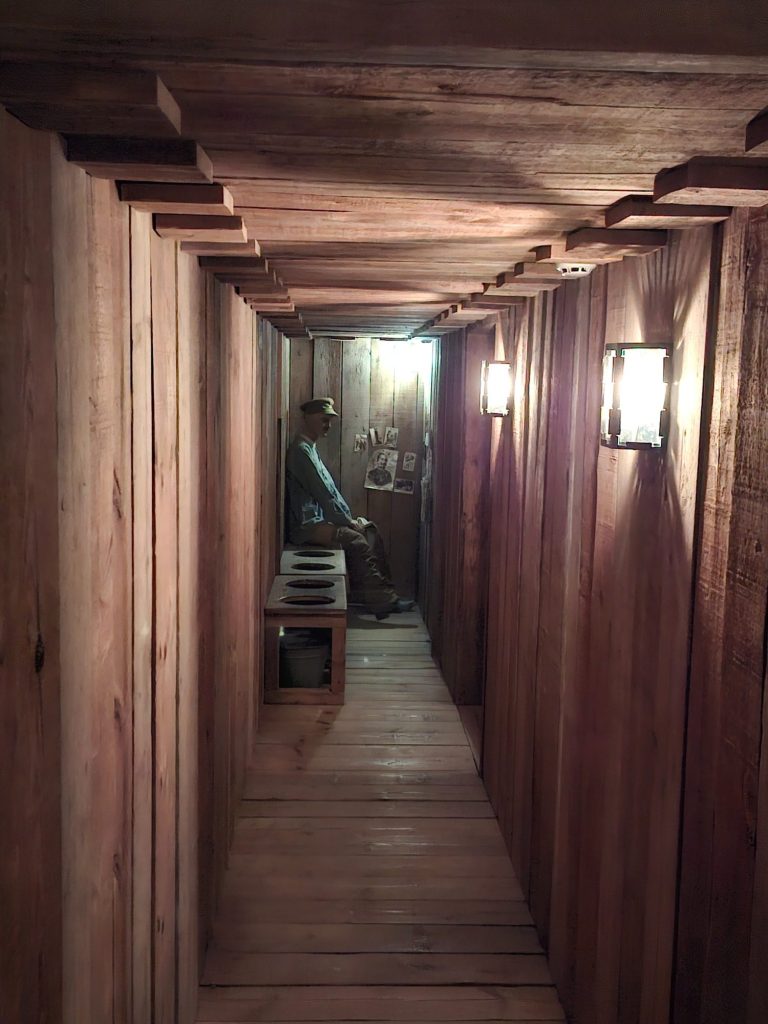
Yes, a set of wood panelled stairs lead to an underground trench system – sleeping quarters, medical treatment room, officer’s billet and a small but delightfully confusing set of corridors take you though a couple of dead ends, giving a very good sense of the relative safety such places gave.
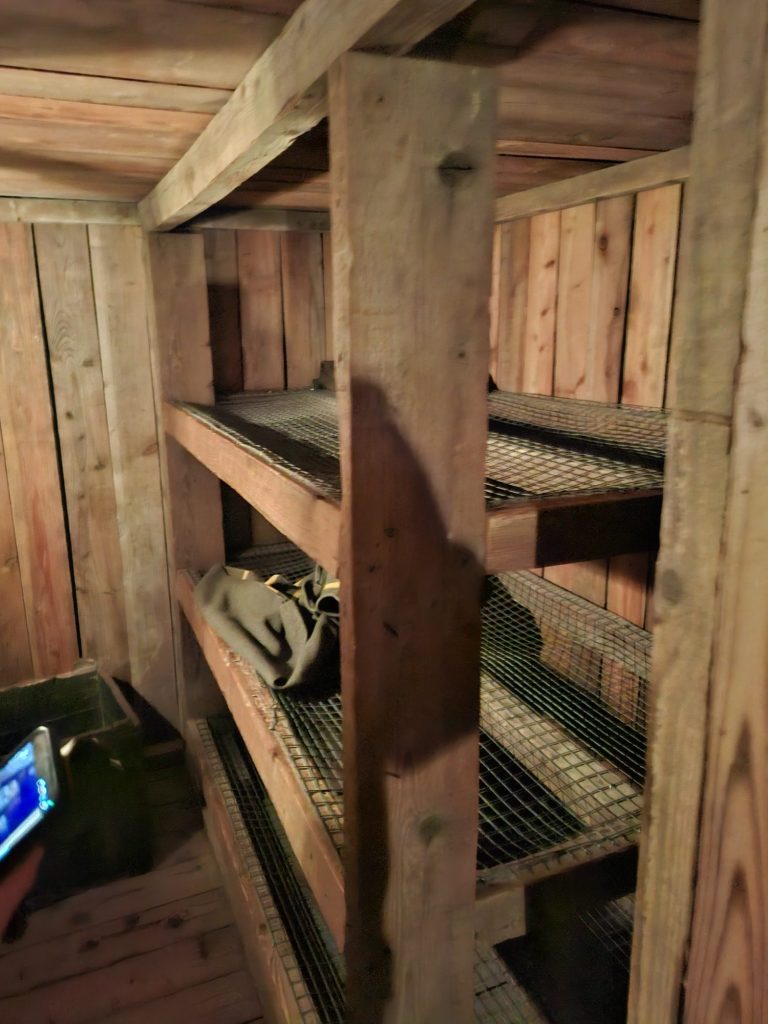
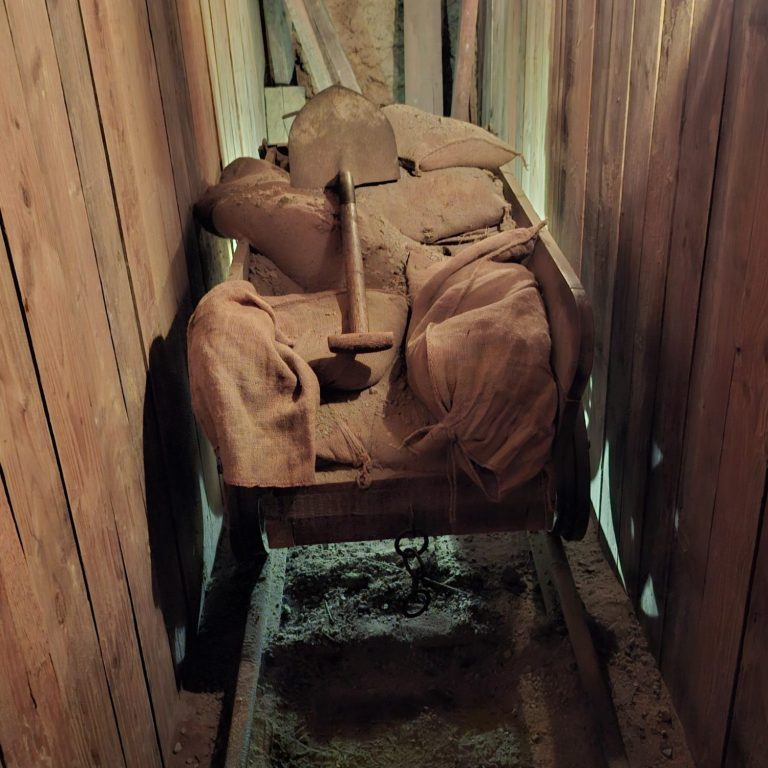
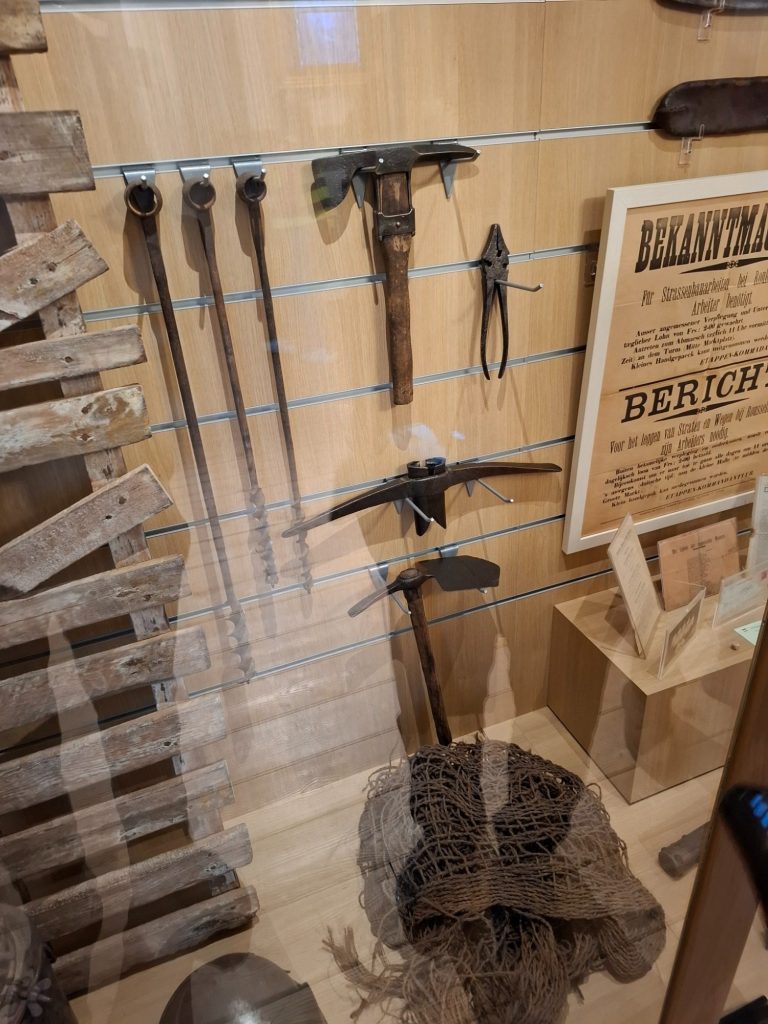
A lot of coal miners were employed to dig out these installations for the British at least, and a padded trolley with it’s attendant shovel can be seen on it’s wooden rails that might be used to excavate such places.
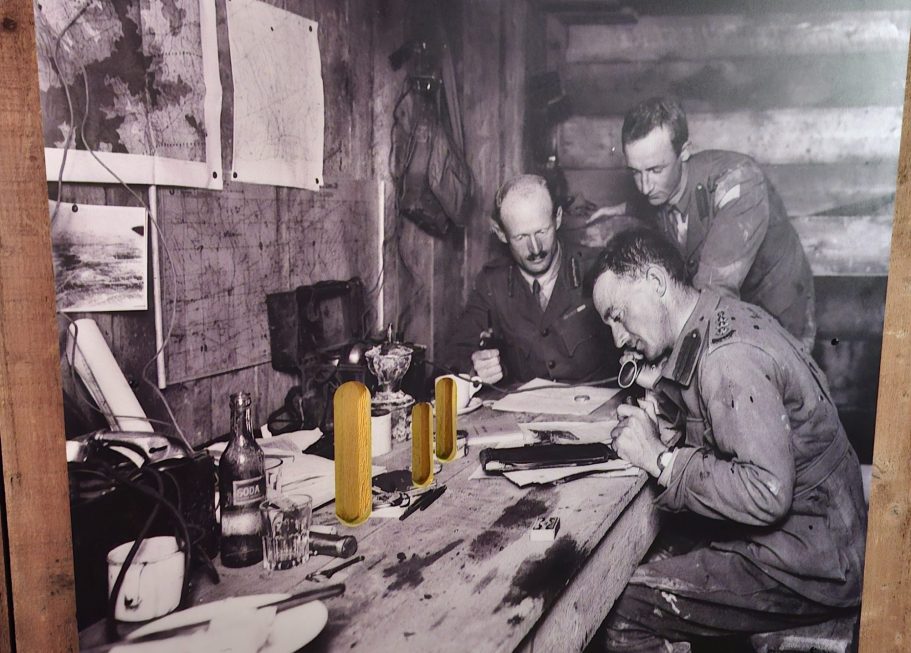
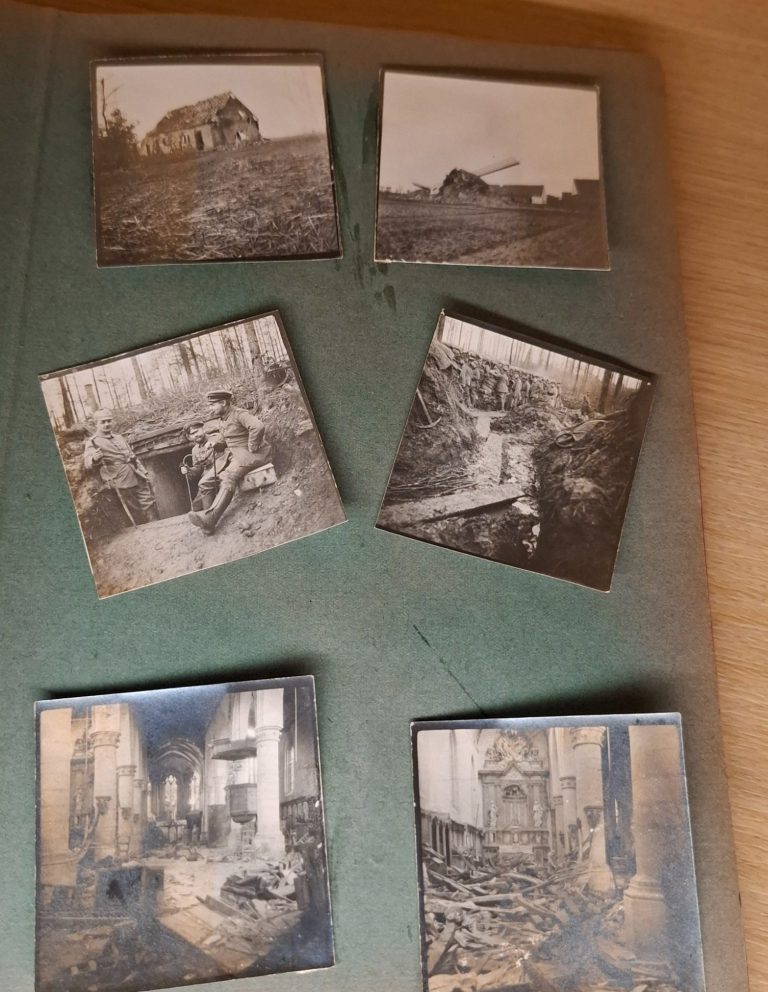
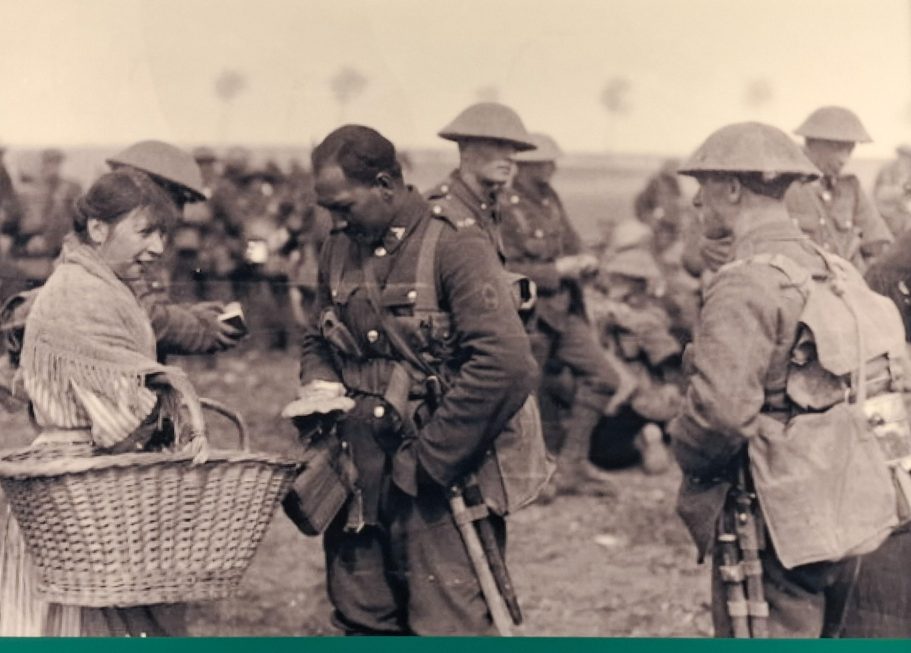
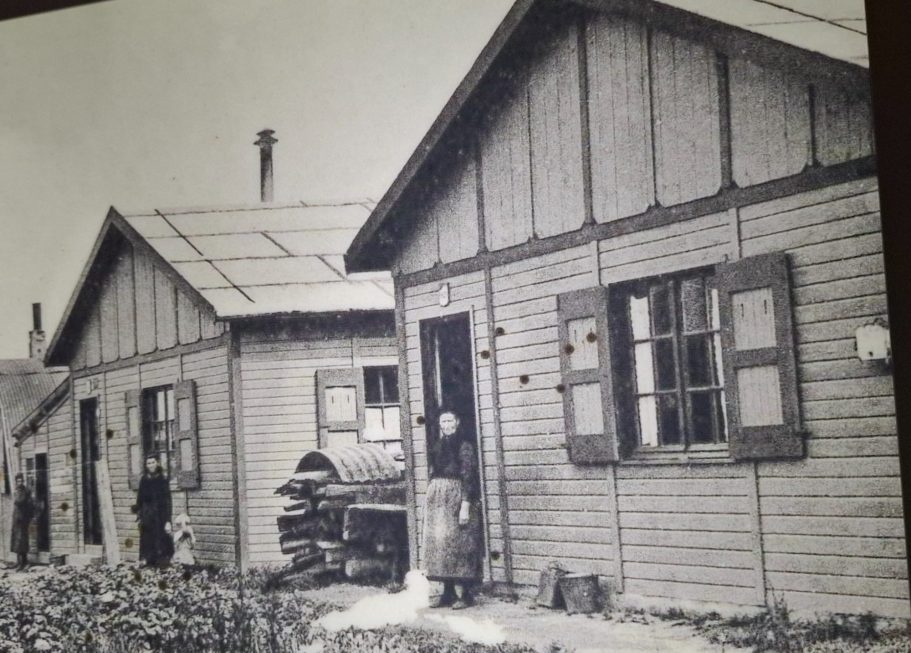
Again, the replicated underworld life for these men is shown in for real in pictures taken during the war, showing officers and men undertaking their daily tasks.
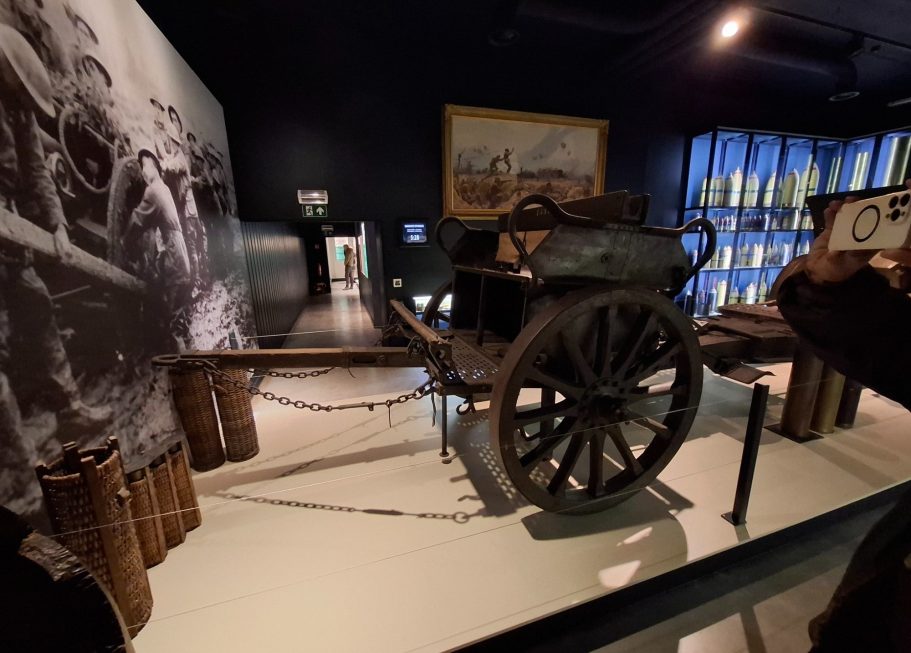
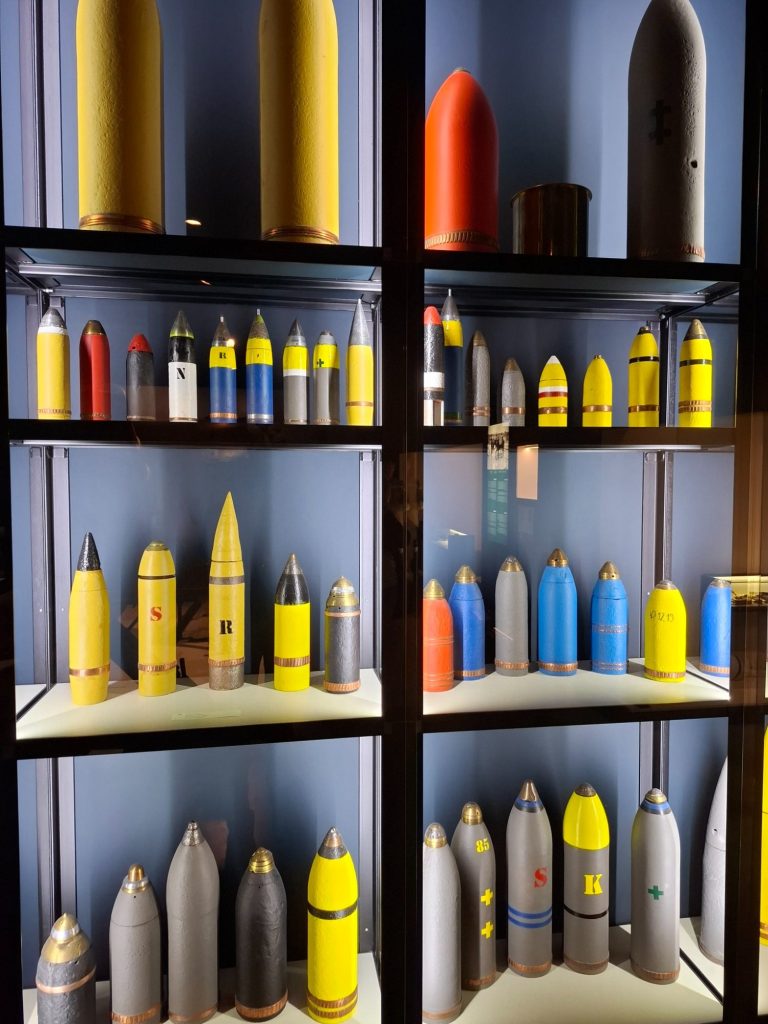
Exiting the cramped tunnel system, the visitor gets to see some of the larger horse drawn equipment, and a whole host of different shell cases from different sized artillery.
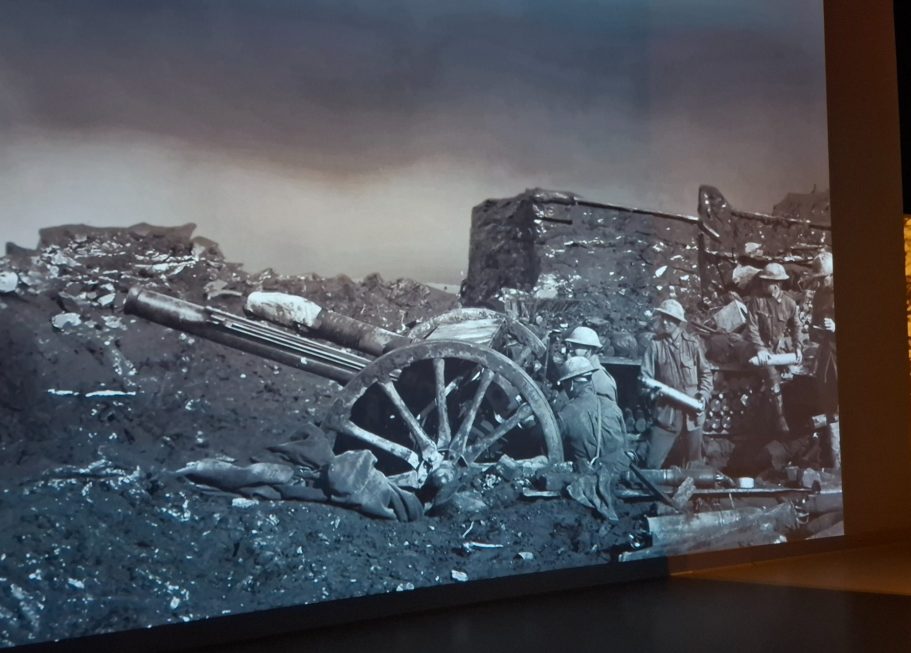
And also the chance to take a seat in a cinema style montage of how the war progressed, showing maps of troop movements, photos of combatants and early film clips of the devastating explosions and horrible conditions on the front lines.
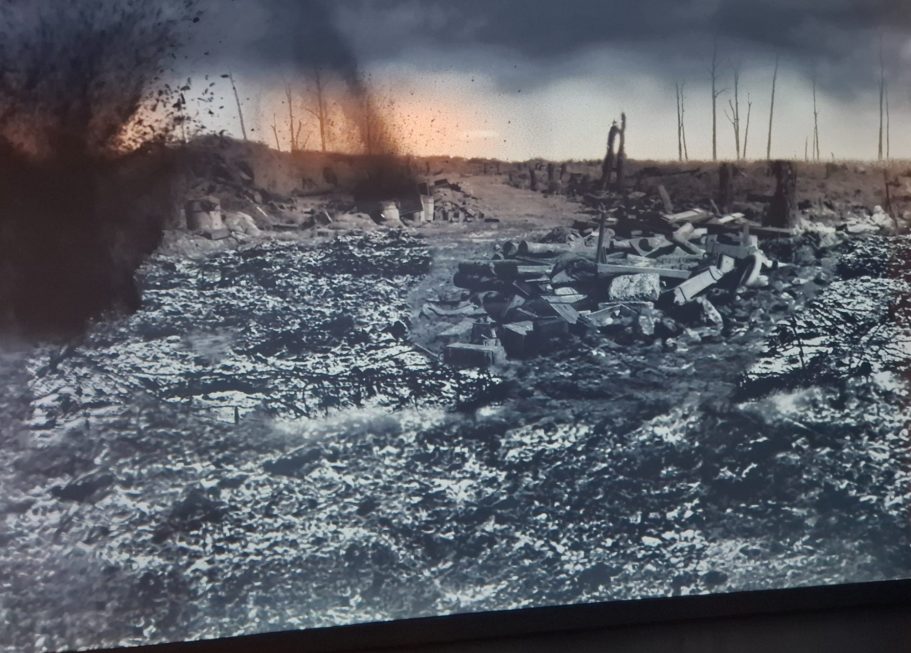
The pictures and film segue together seamlessly, and are shown on a large curved screen that encompasses three of the four walls of the room. It’s worth sitting down for ten minutes or so to see such well put together images.
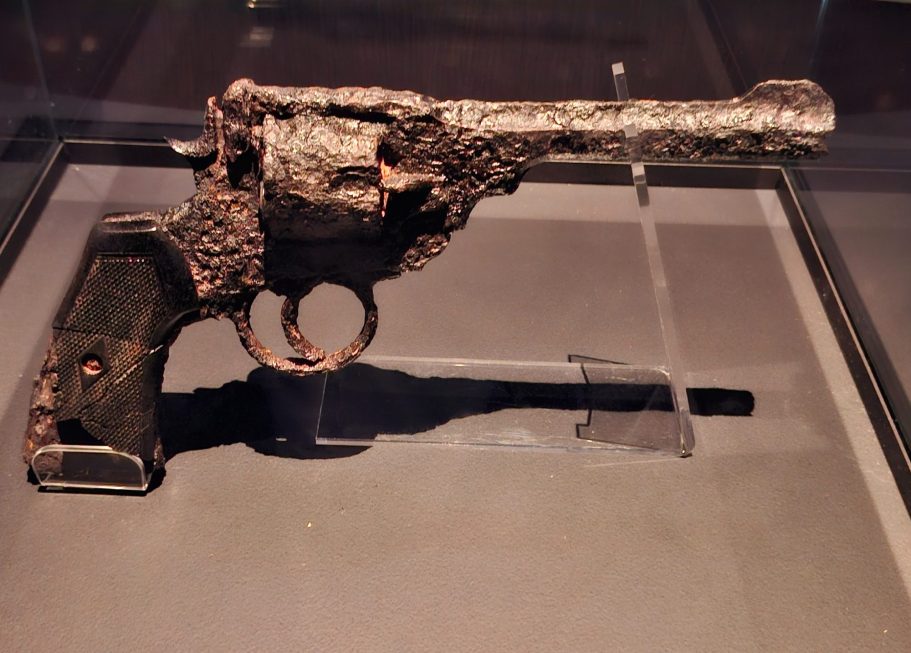
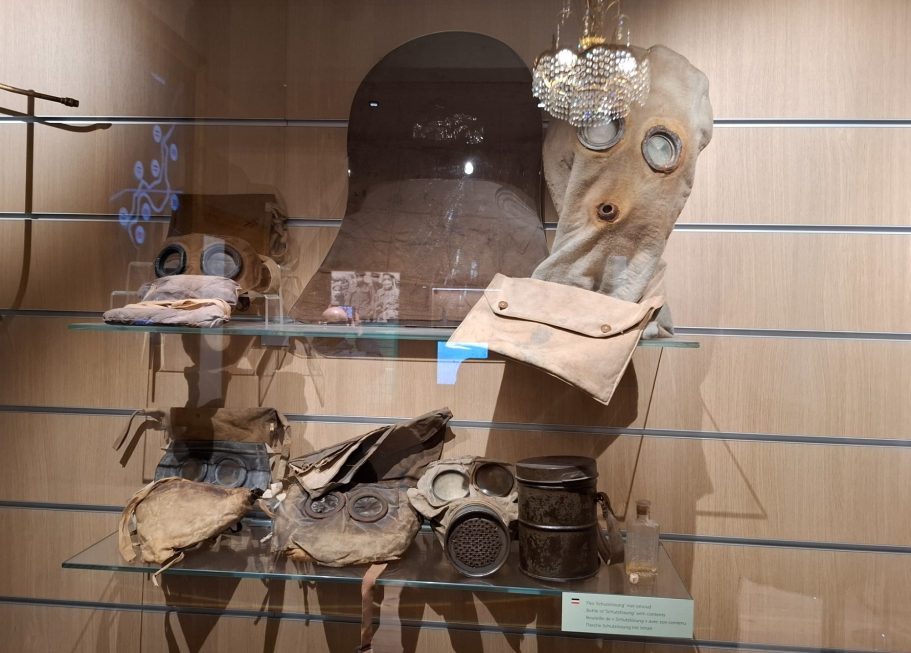
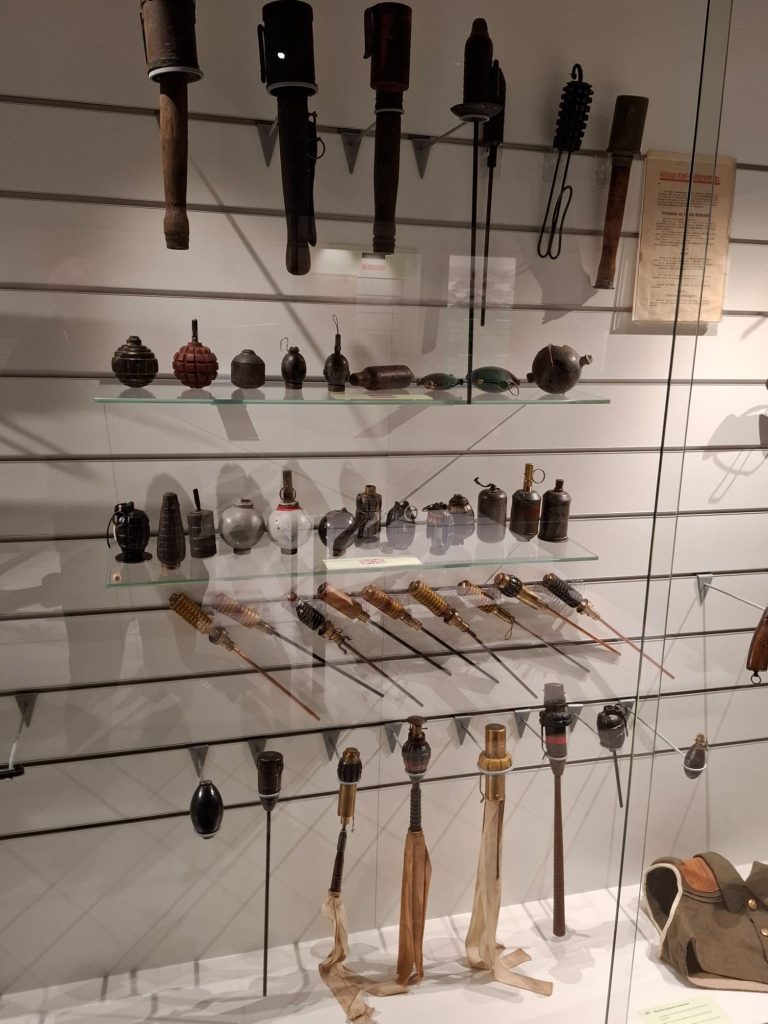
After that, there are more displays of weaponry, a few of these are more battered than the previous ones in the cabinets, the toll from years being buried in the fields, and possibly damaged by artillery bombardment can be witnessed in their poor repair.
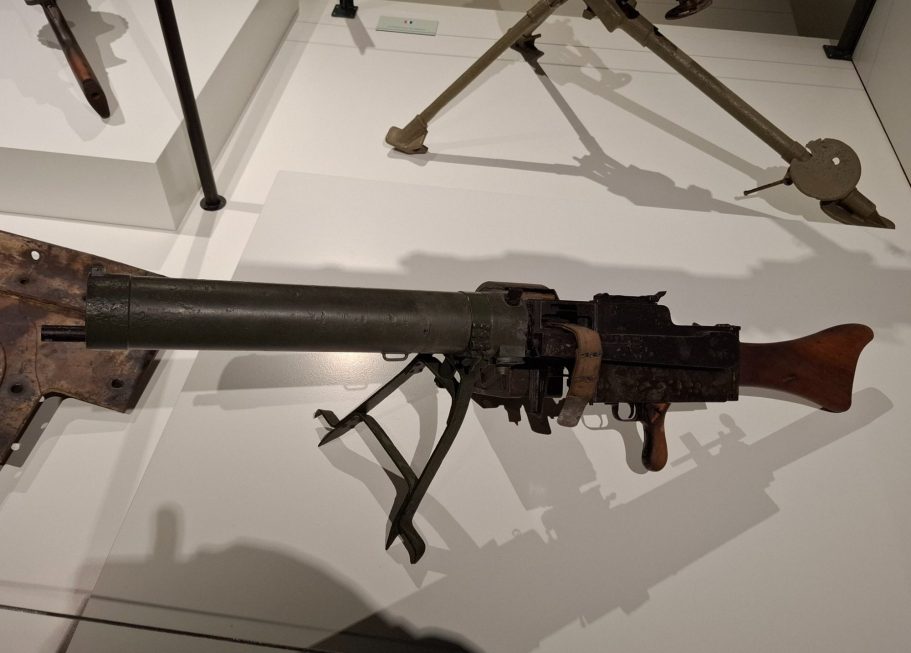
Noteworthy at this point is the way in which technology has advanced in the weaponry on show – an aircraft propeller marks the introduction of war in the air, machine guns of German and British construction not to mention rifles that a sniper might use are coming to the fore.
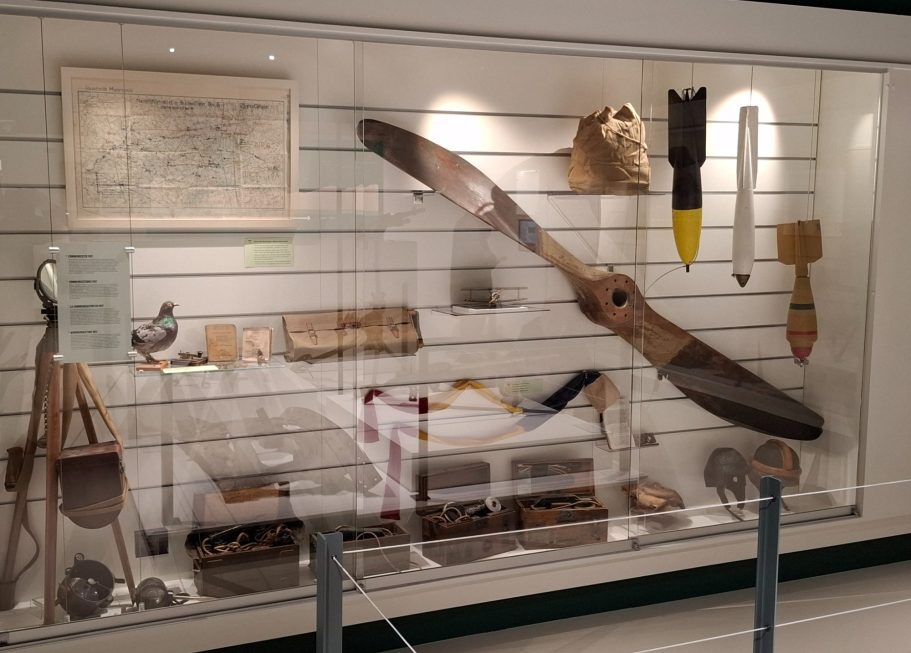
Looking back through these photos, one thing that strikes me – and can be said of all the museums I’ve visited in Belgium and Holland – the cleanliness of the displays, and the care given to the items within them.
I think this contrasts markedly with the photos of soldiers in trenches, dirty, mud caked and although at times posing with smiles for the camera, the conditions true toll on those men cannot really be imagined.
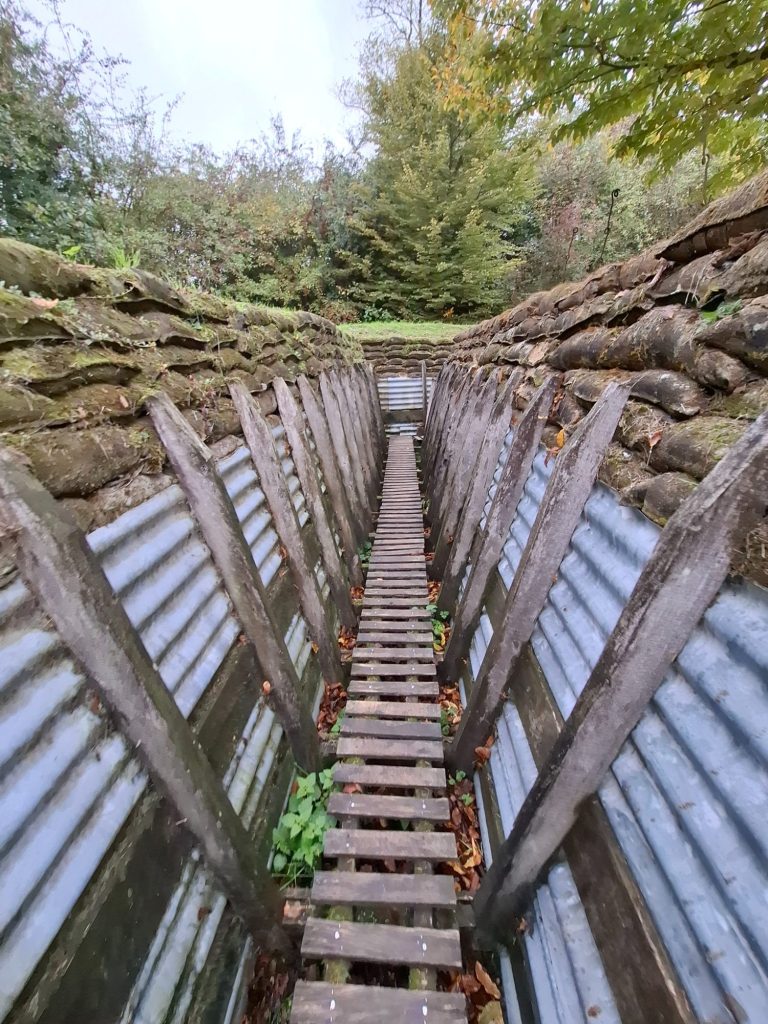
That might sound like the end of the museum tour, but no, wait, a few more steps out into the now brighter weather, and leaving the sanctuary of the inside displays, the visitor moves into real trenches.
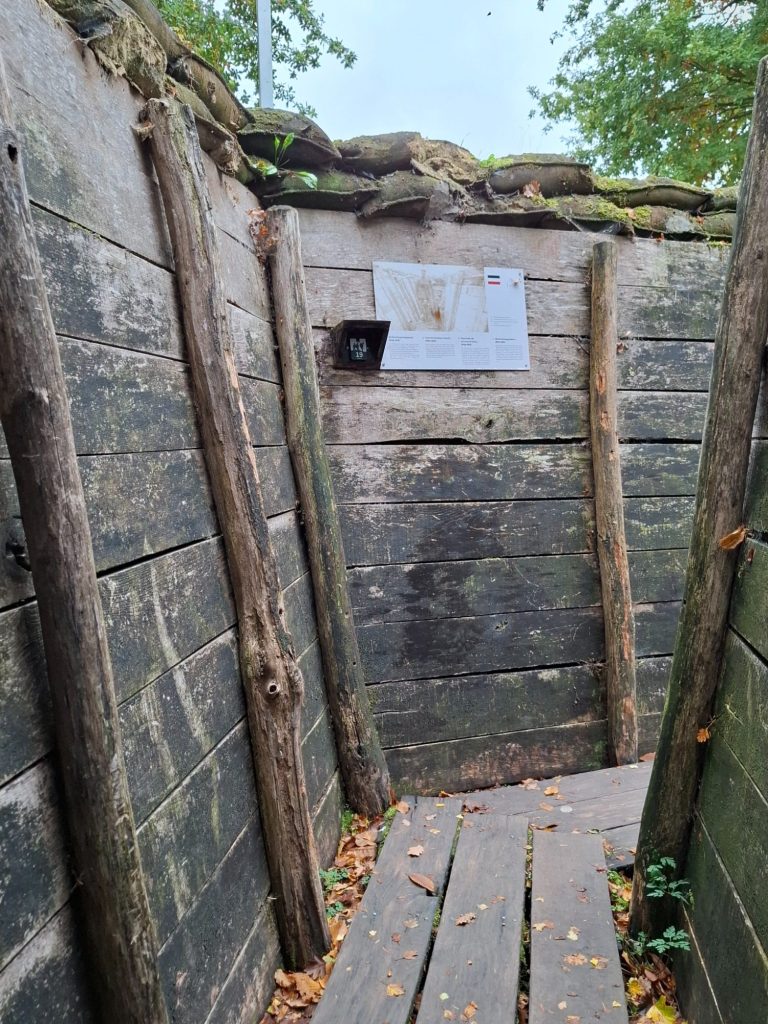
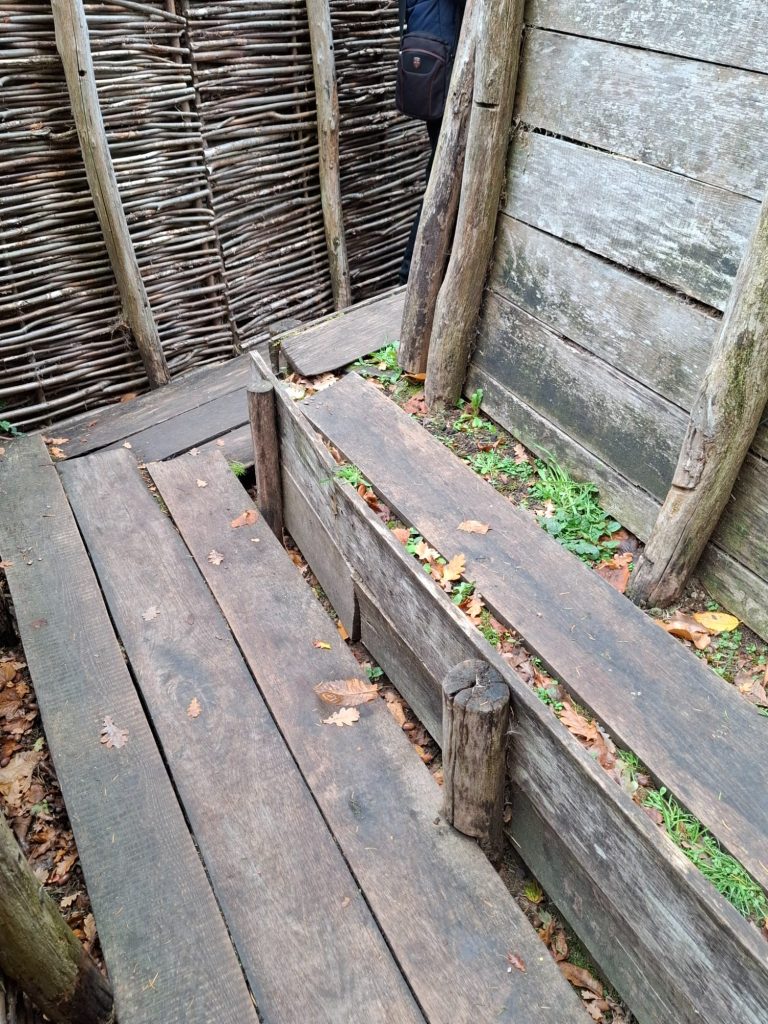
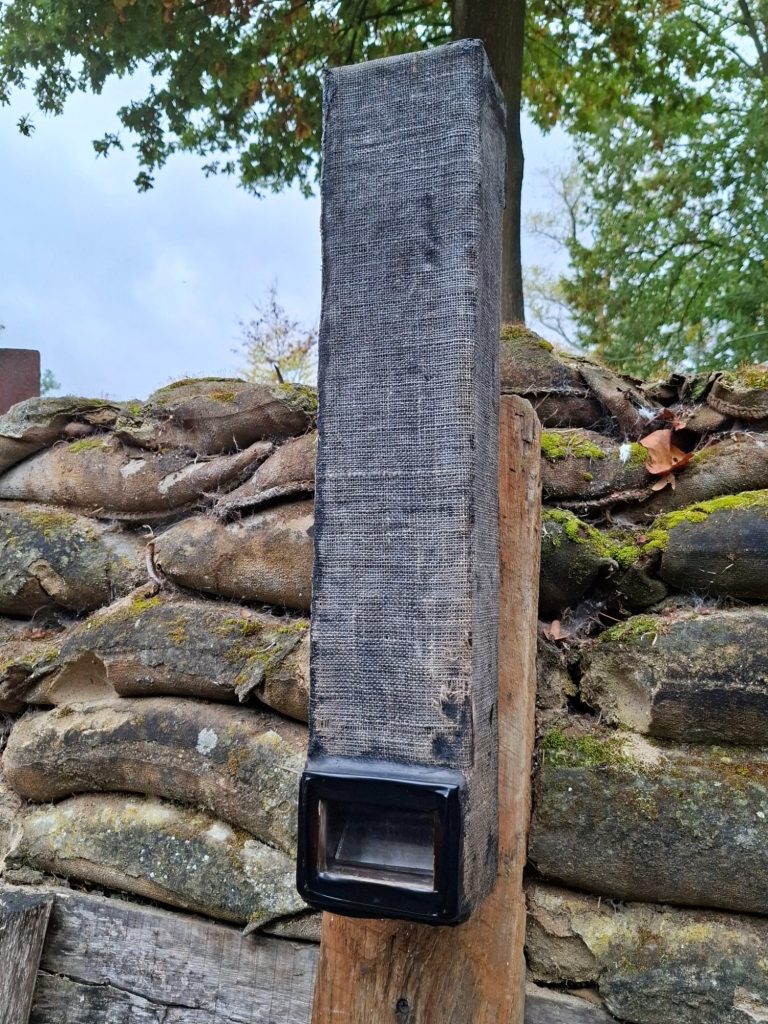
I’m not sure if these are modern reconstructions, or whether they are repaired actual trenches, but there are German built ones and British built examples – I’ve got to admit that the German ones appear to have more thought put into the design and functionality that those of British construction, and if these are actual trenches reconciled to their former glory, they’re bloody close together.
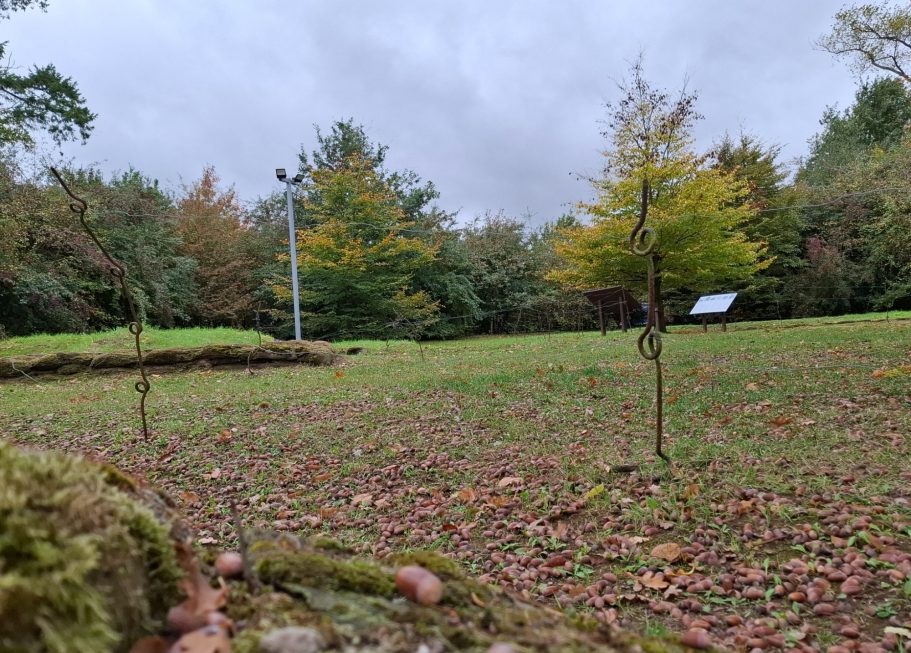
I estimate there’s as little as thirty or so metres between enemy lines here, and with the constant changing hands of front line, second line and rear line defences, I guess that that proximity might not be so far from reality in some cases.
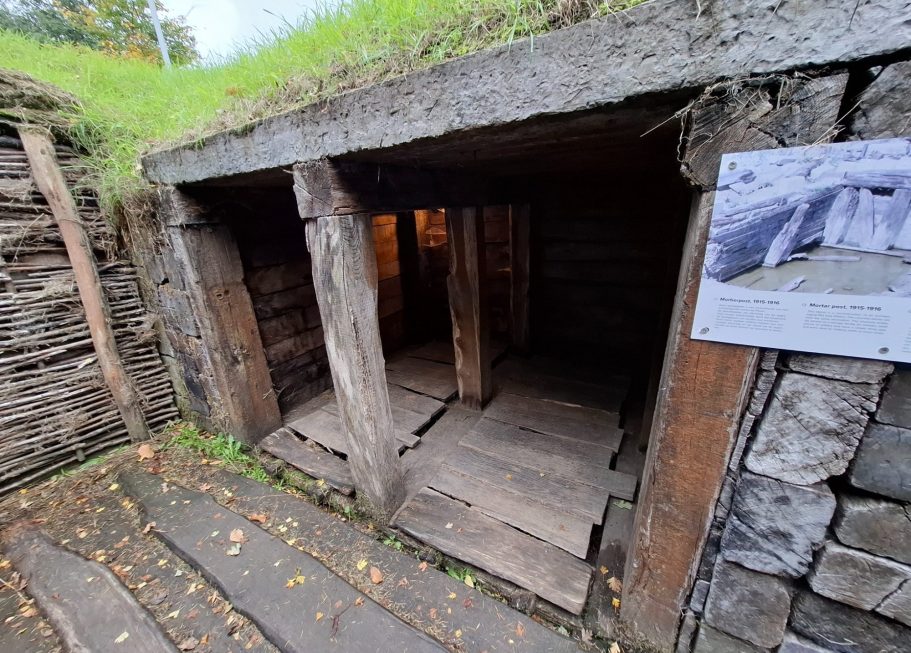
Although the trying on of the German trench armour showed the difference in size of the men of WWI compared to those of present day, the thing that really showed us the difference was when my son – Thomas attempted to exit one of the dug-outs in the trench system.
He’s done a bit of weight lifting, so he’s got broad shoulders, but had to turn sideways to get through the door, and exiting the billet quickly would have been a struggle if he’d have been wearing any type of military kit.
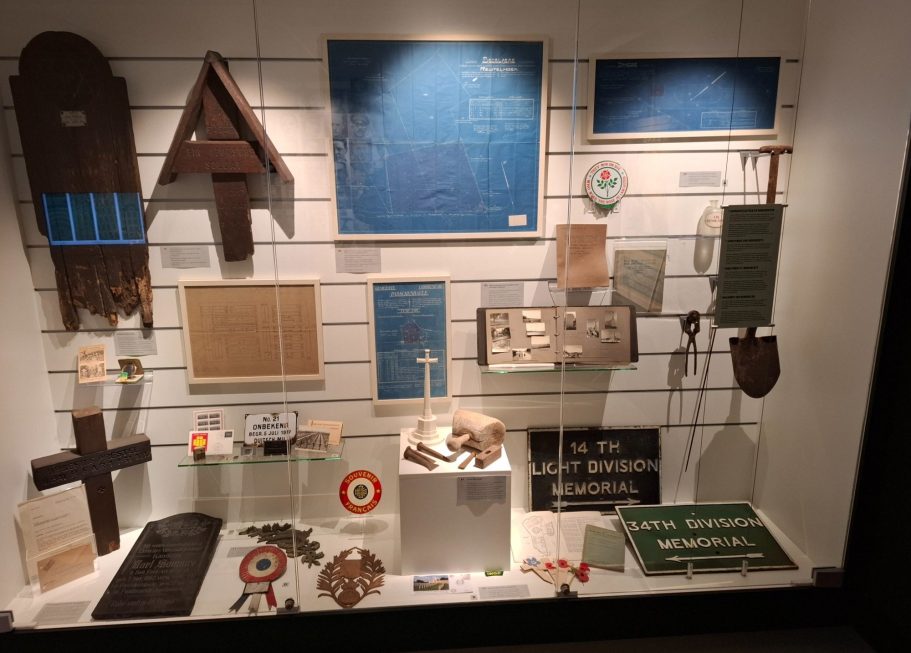
Moving out of the trench system, there is a small wood clad building that is laid out as a nursing station, one that would be constructed quite a way behind the front lines, and where nurses and doctors would treat the wounded as best they could.
On display here are not only the medical equipment available to the staff, but evidence of the Christian Church, and the obvious involvement of clergymen offering their comforts to the injured and dying.
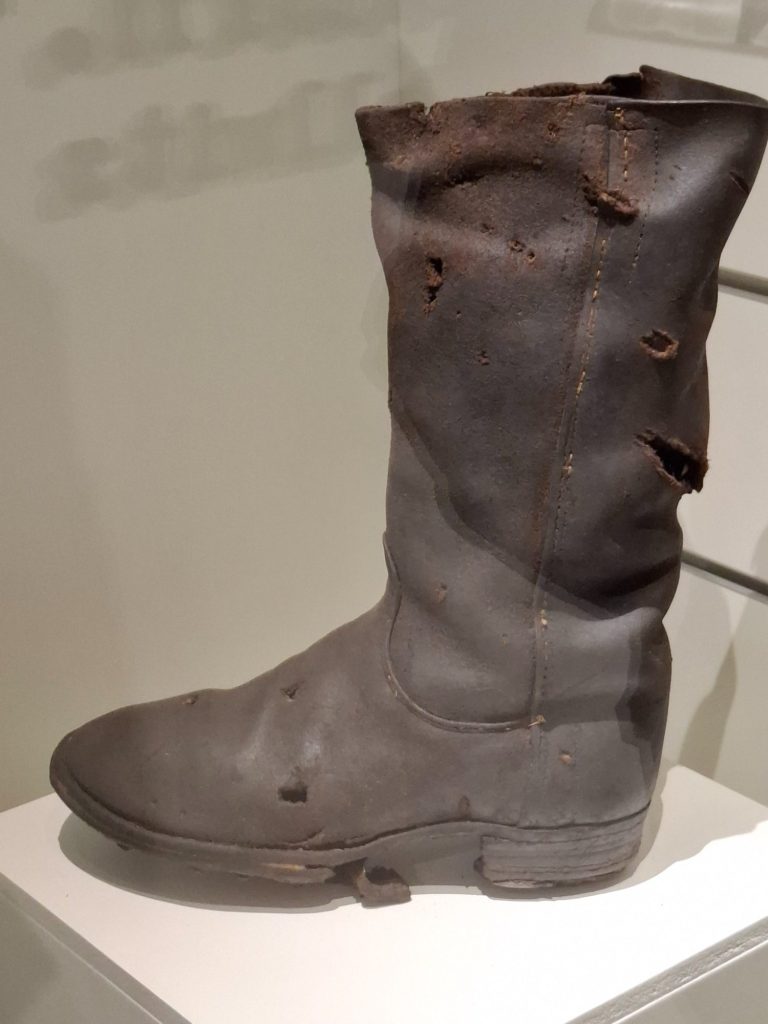
Memorials are displayed, as too are some items of clothing that have shrapnel or bullet holes in them.
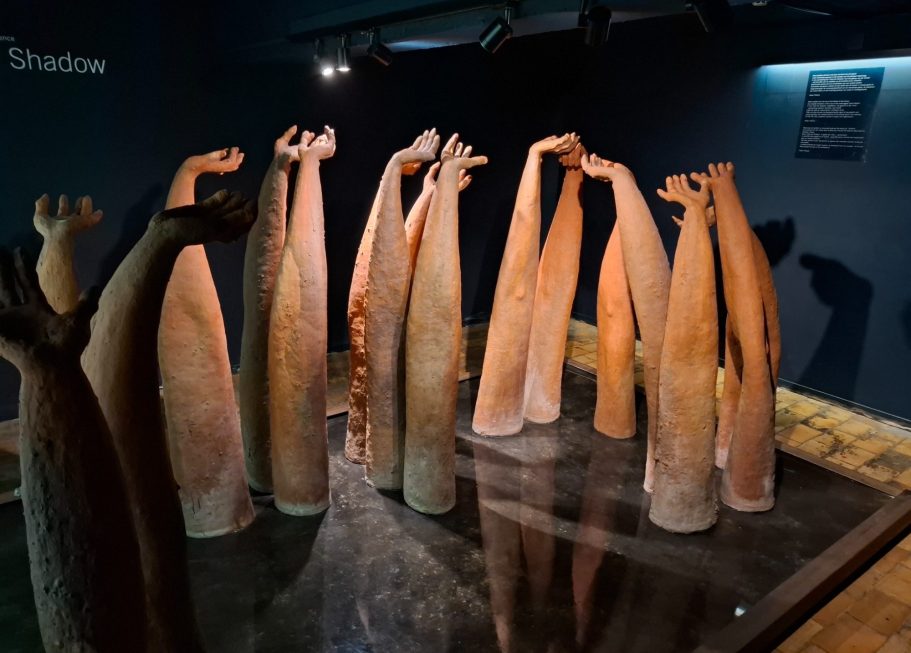
Moving back inside, there are more memorials to the fallen, and I think the most thought-provoking installation from New Zealand sculptor Helen Pollock, dedicated to the men who had been injured, taken shelter in bomb or artillery craters, only to be unable to escape the slurry of oozing mud, and drown in such a horrible way.
I was so affected by the installation of elongated arms with hands outstretched, each one nearly six feet tall, that I wanted to recreate the sculpture in miniature ( see the article Fall of Shadows ).
To my mind, Helen Pollock has created a truly fantastic work, one that grabbed all our visiting group’s senses, and left a lasting effect on me for sure.
Summing up.
If you’re near to this museum, I recommend you go, the images and displays can be somewhat disturbing perhaps, but they aren’t meant to pull their punches – this was war, and possibly war in the worst conditions ever fought in.
Yes, summer and autumn could be warm and dry, 1914 had a heat wave in September, but when the rain came down, the trenches filled and there wasn’t very much in the way of shelter.
The back-and-forth fighting, land being gained and then lost, meant that all items of worth needed to be carried by the individual, and the tactics used, particularly at the beginning of hostilities were not much removed from Napoleonic thinking.
The museum layout takes the visitor through those four years of conflict, the development of new weaponry, the sometimes strange adaptation of armaments, along with use of almost ancient ideas, and alongside this shows the living conditions before and during the war, along with giving the visitor an excellent feel of how immediate injury or death could have been.